


Circus performers can earn from under A$20,000 to more than A$100,000 a year, but there is no single salary that fits the profession.
A professional circus performer may earn roughly A$20,000 to A$100,000+ a year, with annual income shaped by specialty, contract rates, booked weeks, private events, and teaching work.
Most circus artists are not paid one fixed salary for 52 weeks. They may earn a weekly touring rate, a fee per show, or a set amount for a private booking. Some also teach or perform at corporate functions between contracts. If you are booking roving performers for events, these pay structures help explain why fees vary from one act to another.
What to Know
Circus income can sit below A$20,000 for occasional performers and rise above A$100,000 for busy, high-paid artists.
Touring work may pay about A$900 to A$2,500+ per week.
Corporate feature acts may receive around A$1,000 to A$1,500 per act.
Paid weeks matter just as much as the weekly rate when estimating yearly income.
Travel, accommodation, and daily allowances can make a contract worth more than its base pay suggests.
How Much Do Circus Performers Earn?

Circus performers are paid in several ways. Some work under weekly contracts. Others invoice per show, event, or act.
Australian career guidance for circus artists lists broad rates such as A$900 to A$2,500+ per week for large international shows or film work, A$1,200 to A$1,400 per week for independent or contemporary circus companies, and A$300 to A$800 per show on festival and cabaret circuits.
Private event work can pay more for a short appearance. A feature act, such as an aerial performance, may receive around A$1,000 to A$1,500 per act. Casual roving work may bring in about A$500 to A$800 per booking. Teaching and coaching can add roughly A$50 to A$120 per hour.
| Type of Work | Typical Pay |
|---|---|
| Large international production or film work | A$900 to A$2,500+ per week |
| Independent or contemporary circus | A$1,200 to A$1,400 per week |
| Festival or cabaret performance | A$300 to A$800 per show |
| Corporate feature act | A$1,000 to A$1,500 per act |
| Casual or roving performance | A$500 to A$800 per gig |
| Coaching or workshops | A$50 to A$120 per hour |
These figures are better read as booking rates than guaranteed yearly salaries. A performer on A$2,000 a week for 20 weeks earns A$40,000 from that contract. Another artist on A$1,300 a week for 40 weeks earns A$52,000.
Why Circus Income Changes So Much
The biggest difference in yearly circus income is often the number of paid weeks, not the headline rate.
Circus work can be seasonal. A tour may last several weeks or several months. A festival contract might cover only a handful of shows. A corporate entertainer may work heavily during busy event periods and have quieter months later.
Artists may also spend unpaid time auditioning, training, maintaining equipment, traveling, or waiting for the next job. One contract may cover rehearsals, shows, travel days, and accommodation, while another may only pay for the performance itself.
That is why annual earnings make more sense when you look at the rate, the number of paid days or weeks, and the costs attached to each job.
Minimum Pay for Employed Performers in Australia
Employees covered by Australia's Live Performance Award have set minimum rates, while freelance circus artists may work under separate contracts.
The current Live Performance Award lists A$1,221.10 per week for Performer Category 1 Grade 1. Performer Category 1 Grade 2 and Performer Category 2 are listed at A$1,283.10 per week. The award also states that performances are paid at the performer rate plus 10 percent, while rehearsals use the performer rate.
If A$1,221.10 were paid for 52 weeks, the total would be about A$63,500. At A$1,283.10 per week, it would be about A$66,700.
Those figures help explain minimum employee rates, but they are not average annual salaries. Many circus artists work across several contracts rather than one full-year job.
Circus Performer Pay by Type of Work
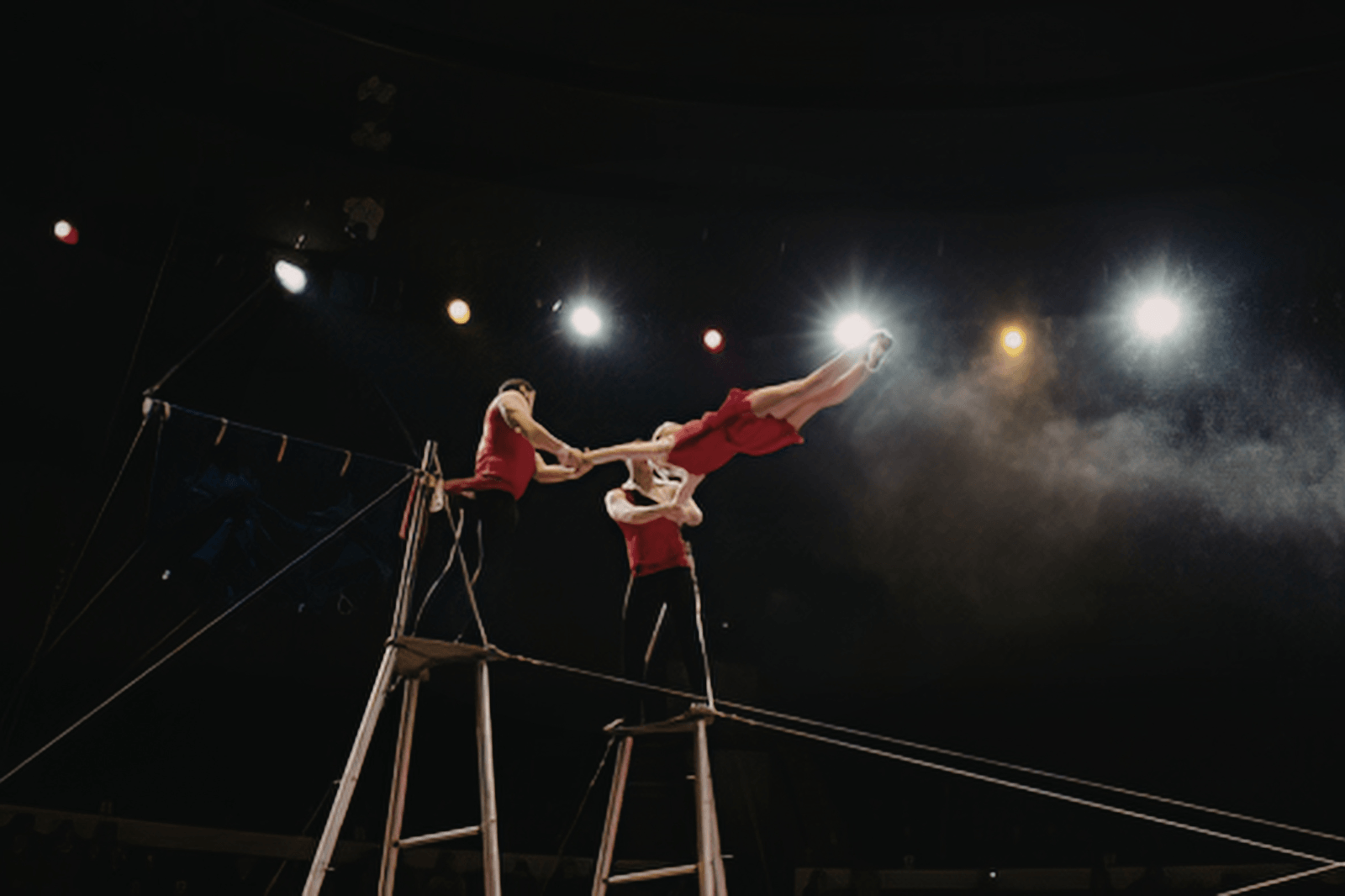
Large Touring Productions
Large productions can pay higher weekly rates and may also cover costs that freelancers would normally pay themselves.
A touring artist may receive around A$900 to A$2,500+ per week. Some contracts also include accommodation, transport, flights, and daily allowances. That can leave the performer with more usable income than a similar cash fee where travel costs come out of pocket.
Independent and Contemporary Circus
Independent companies often work on shorter seasons. Indicative rates of around A$1,200 to A$1,400 per week appear in published circus career guidance.
A 30-week contract at A$1,300 a week comes to A$39,000 before extra bookings. Private events or coaching can fill some open weeks.
Festivals and Cabaret
Festival and cabaret artists may be paid per show. Fees of roughly A$300 to A$800 per performance are common reference points.
Five shows at A$500 each produce A$2,500 in gross fees. If the artist pays for travel and accommodation, the amount left is lower.
Corporate and Private Events
Corporate events can pay well because the client is often buying a finished act rather than hiring a cast member for a long run.
A polished aerial, acrobatic, juggling, or specialty act may receive around A$1,000 to A$1,500 for one performance. Roving artists may earn about A$500 to A$800 for an event.
The format changes the fee. Understanding how roaming performers work at events helps explain why some bookings involve several short sets across a longer call, while a stage act may last only a few minutes but require rigging, rehearsal, technical support, and specialized equipment.
Teaching and Coaching
Many circus artists teach between contracts. Coaching can bring in around A$50 to A$120 per hour, depending on the discipline, class format, location, and the artist's background.
Regular classes can make income steadier when performance bookings change from month to month.
Do Some Circus Acts Earn More Than Others?
Specialty acts can charge more when they are hard to replace, require costly equipment, or create a bigger visual moment for an event.
Aerialists, hand balancers, contortionists, fire artists, jugglers, magicians, stilt walkers, and acrobats do not have fixed salary bands based only on discipline.
An aerial act may cost more when the venue needs rigging, safety checks, crew, or rehearsals. A fire performer may need extra safety measures. A stilt walker may work for several hours across an event rather than appear once on stage.
An artist with a recognizable act and a reliable booking history may also command more than someone with the same technical skill but less paid experience.
For planners, this is one reason roving entertainment acts can carry different prices even when performers work for similar amounts of time.
What Affects a Circus Performer's Yearly Income?
Several factors shape what a circus artist earns across a full year.
Paid Weeks
A high weekly rate only helps when enough weeks are booked. Thirty weeks at A$2,000 equals A$60,000. Forty weeks at A$1,600 equals A$64,000.
Experience and Booking History
Producers and clients often pay more for artists who have shown they can perform reliably, work safely, and meet schedules.
Type of Act
A solo act that arrives ready to perform may be priced differently from an act that needs rigging, technicians, rehearsal time, or multiple performers.
Location and Repeat Work
A local job may leave more money in the artist's pocket than a higher-paying interstate booking with uncovered travel. Repeat clients also cut down unpaid time spent searching for work. An entertainment agency can connect artists with event briefs that suit their acts.
Extra Income
Teaching, workshops, choreography, private events, and coaching can fill gaps between tours.
How Benefits Change the Real Worth of a Contract
A lower cash rate can still be the better deal when the contract pays for accommodation, transport, and daily expenses.
A performer on A$1,800 a week with accommodation and work travel included may keep more than someone on A$2,100 who pays for hotels, flights, and local transport.
Performers often compare the whole contract rather than the fee alone. Per diems, flights, rehearsal pay, insurance, and baggage allowances can all change what remains after the job.
Freelancers may also pay for costumes, props, equipment repairs, training, studio hire, insurance, commissions, and physical care. Gross income is the amount earned before those costs. Take-home income is what remains after expenses and taxes.
What Can a Circus Performer Earn Across a Full Year?
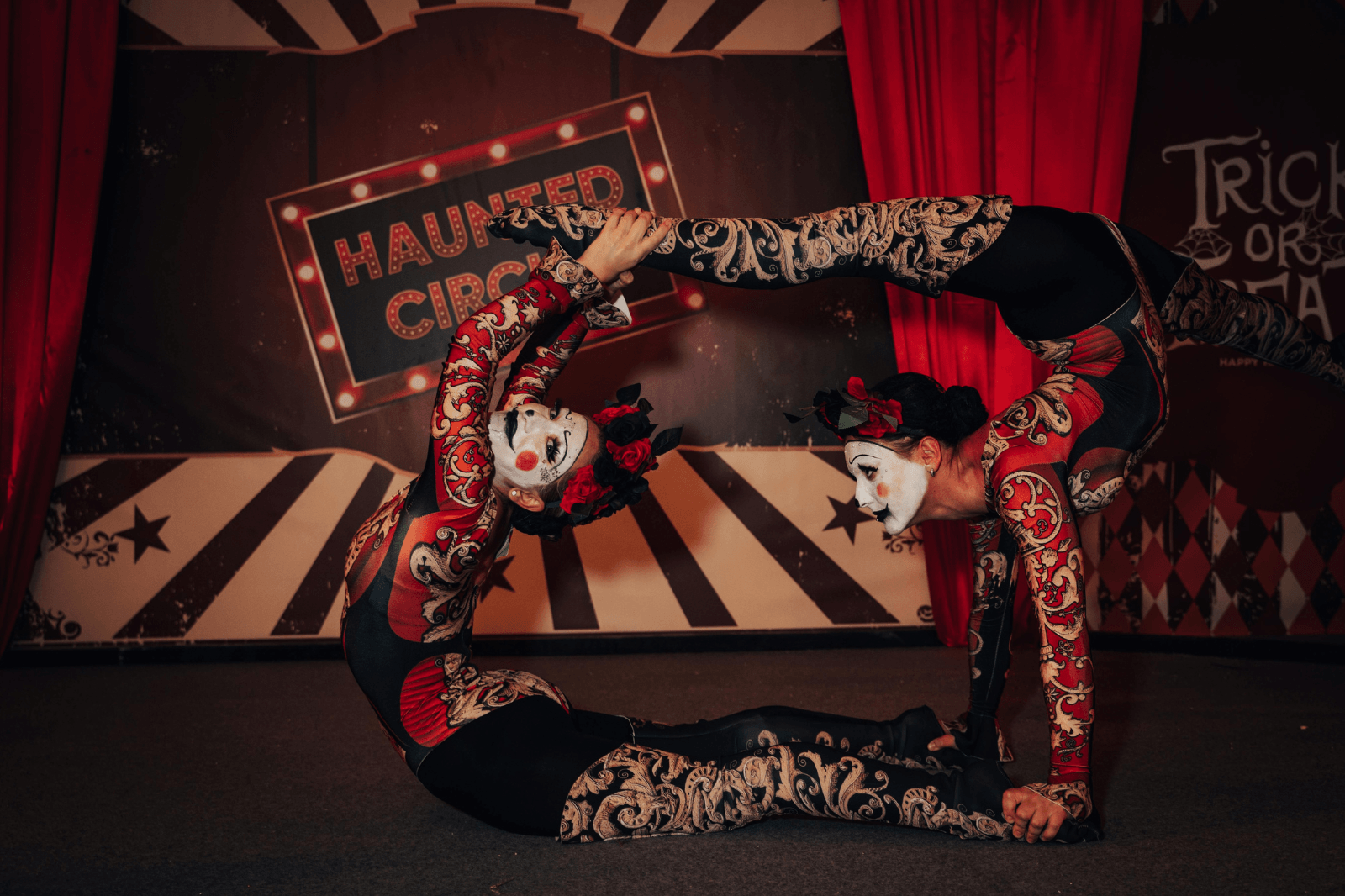
A few simple scenarios show how the numbers can work.
A performer who works 25 weeks at A$1,000 a week earns A$25,000. Ten event bookings at A$600 each would bring gross income to A$31,000.
A working artist who completes 32 weeks at A$1,400 earns A$44,800. Add twelve private events at A$1,000 each and gross performance income reaches A$56,800.
A busy specialist on 40 weeks at A$2,000 earns A$80,000. Ten corporate appearances at A$1,250 each would lift gross income to A$92,500.
A performer on a premium A$2,500 weekly contract can reach A$100,000 with 40 paid weeks before private bookings or teaching.
How Circus Performers Build Higher Annual Income
Many performers create more than one version of an act. A stage routine may be adapted for a shorter corporate booking. An acrobat may also work as a roving artist. An aerialist may coach classes between tours.
Repeat work can make a big difference too. Steady relationships with producers, venues, agencies, and festivals mean less unpaid time looking for the next booking.
Pricing the full job also matters. A ten-minute act may involve hours of travel, setup, costume preparation, rigging, rehearsal, and pack-down. The fee needs to reflect that work.
Bring Circus Entertainment to Your Event
A circus fee pays for much more than the minutes an artist spends in front of an audience. Behind the act are years of training, rehearsals, equipment, costumes, travel, safety planning, and the skill needed to perform under pressure.
At Mivida, we connect events with professional circus artists, roving entertainers, acrobats, stilt walkers, jugglers, fire performers, and other live acts suited to corporate functions, festivals, weddings, and private events.
Tell us about your venue, audience, schedule, and the atmosphere you want to create. We can help match the event with performers who fit the space and the occasion.
Frequently Asked Questions
Is Being a Circus Performer a Full-Time Job?
It can be, but many performers build a full working year from several contracts, private events, festivals, classes, and coaching rather than one permanent job.
How Much Do Circus Performers Make per Show?
Festival and cabaret performers may receive around A$300 to A$800 per show. Established feature acts at corporate events may earn around A$1,000 to A$1,500 per act.
How Much Do Aerialists Earn?
Aerialists do not have one fixed salary. They may be paid weekly for a production, per act at an event, or per class when teaching. Rates change with the contract, venue, rigging needs, travel, and paid experience.
Do Circus Performers Get Free Accommodation?
Some touring contracts include accommodation. They may also cover flights, ground transport, or daily allowances. These benefits can make a contract more attractive even when the cash rate is lower.
Do Circus Performers Get Paid for Rehearsals?
Employees covered by the Live Performance Award have rehearsal pay provisions. Freelance agreements differ, so rehearsal time and payment should be written into the contract before the job begins.
Can Circus Performers Make More Than A$100,000 a Year?
Yes. A performer with a high weekly rate, many paid weeks, and extra corporate or private bookings can pass A$100,000 in gross annual income. Business costs and taxes still need to come out of that amount.