
What is Roving Entertainment? A Dynamic Way to Engage Your Audience
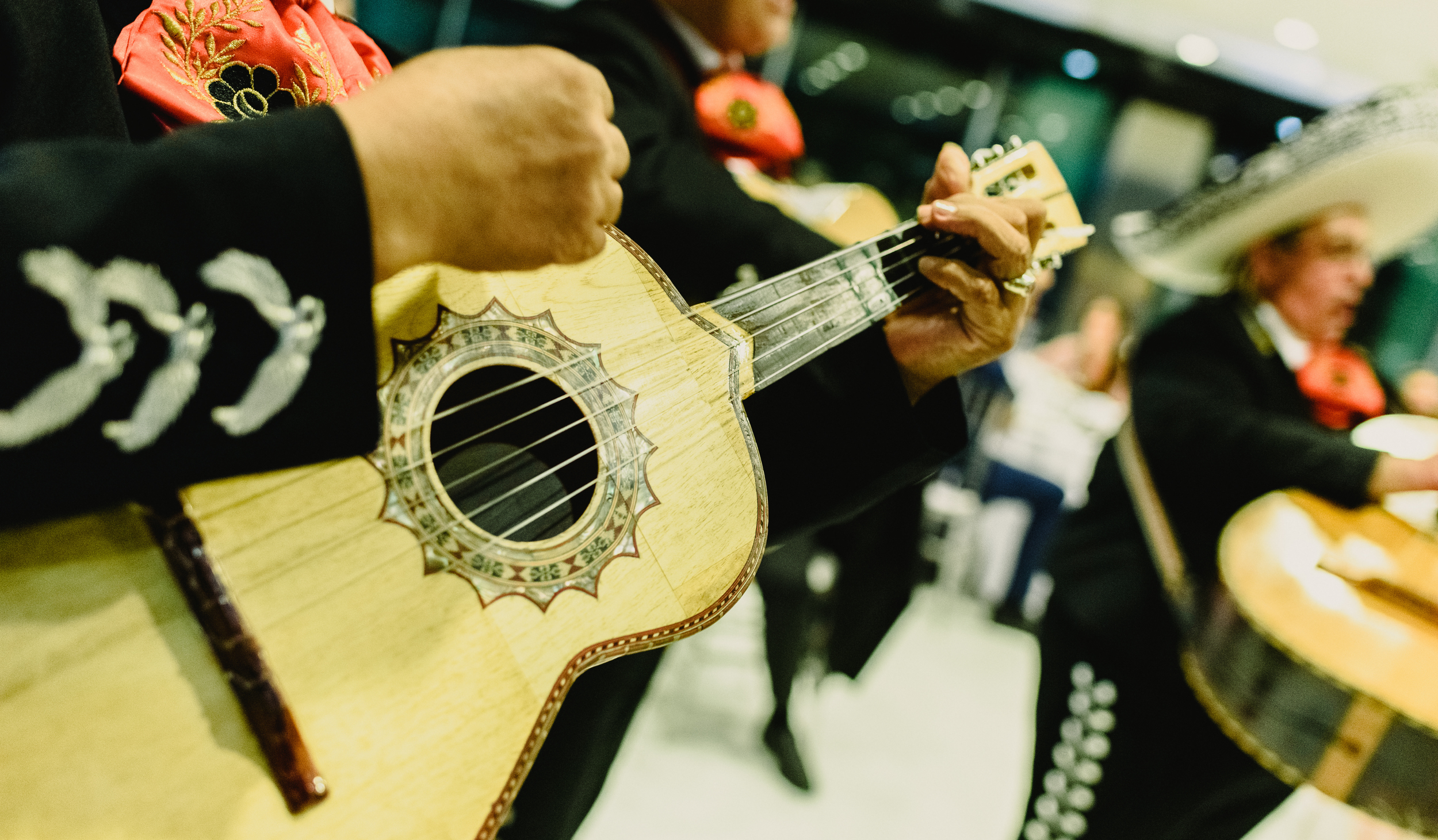
Roving entertainment is live performance delivered by entertainers who move through an event space and interact directly with guests. It replaces a single fixed “show” with short, high-impact moments that happen across tables, queues, foyers, and networking zones. It works by rotating performers through planned areas and timing blocks so energy stays consistent across the venue, especially during arrivals and transitions. Roving entertainment is also called roaming entertainment, walkabout entertainment, and walk-around performers.
Event plans fail when guest energy collapses between formal moments. Roving acts solve that problem by putting performance where people already are.
Instead of asking guests to face a stage, you bring the experience to each cluster of conversation, each quiet corner, and each high-traffic choke point.
Key Takeaways
Roving entertainment uses moving performers and micro-interactions to energise the entire venue, not one viewing area.
The strongest roving programs follow a zone plan, a rotation schedule, and a run sheet timing block.
Different acts serve different objectives: icebreaking, spectacle, elegance, family engagement, or brand activation.
Safety, venue approvals, and crowd density determine what is feasible, especially for fire and height-based acts.
Pricing is driven by performer count, duration, complexity, costuming, technical requirements, and travel.
What Is Roving Entertainment?
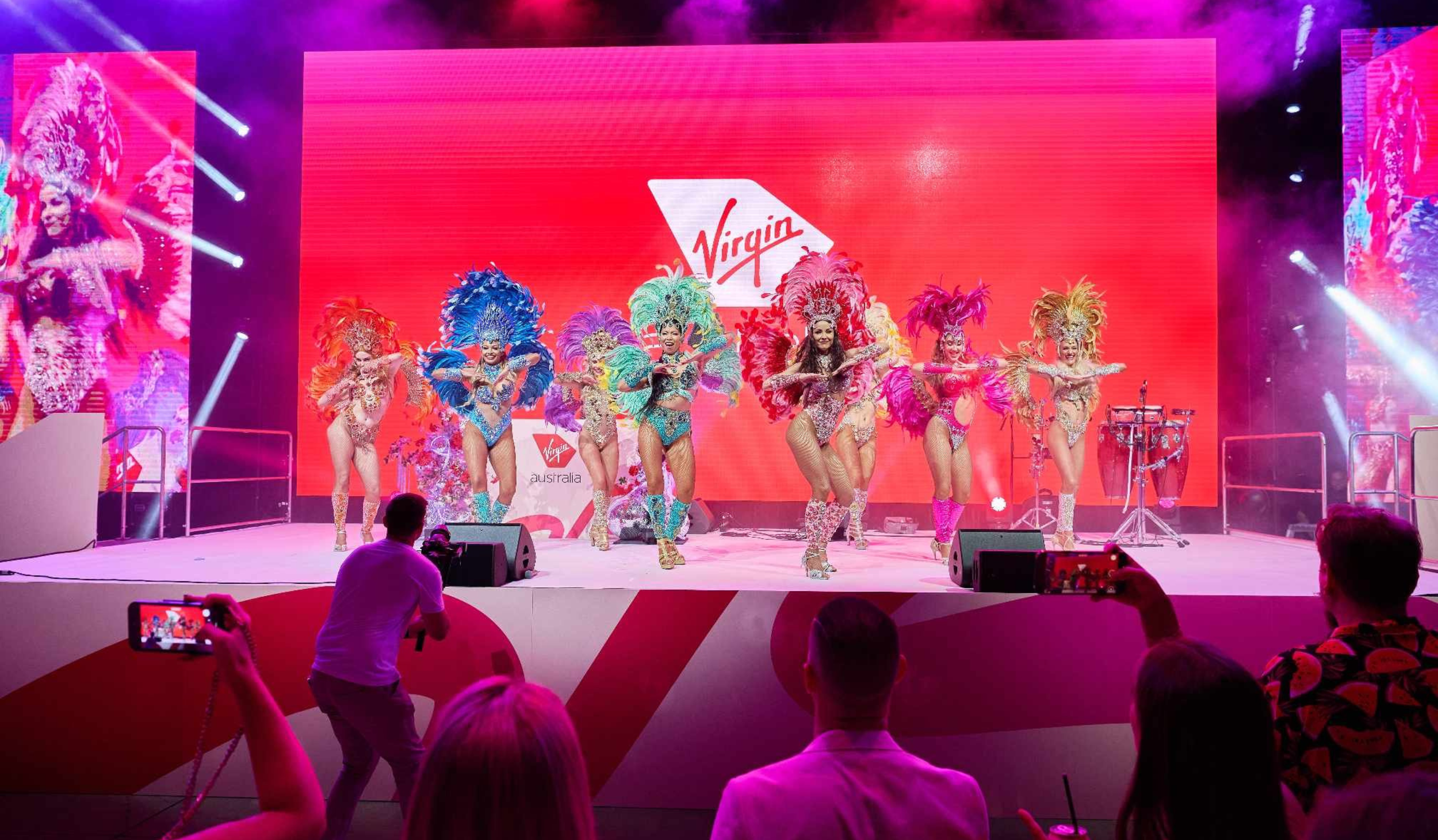
Roving entertainment is a mobile performance format where entertainers circulate through an event and engage guests in short, direct interactions. It uses proximity, conversation, and participation to create impact without pausing the entire event. Roving entertainment fits receptions, cocktail hours, trade shows, festivals, and brand activations because it works in motion and alongside service, networking, and venue flow.
Industry Terms and Common Synonyms
Roving entertainment refers to performers who move through the event space instead of performing from a fixed stage. Common terms include:
Roaming entertainment
Walkabout entertainment
Walk-around performers
Meet-and-greet entertainers
Ambient interactive entertainment
What roving entertainment is not
It is not a staged show where all guests stop and watch one focal point.
It is not background music that never interacts with guests.
It is not an installation that guests must seek out to participate.
A useful way to think about roving entertainment is “distributed performance.” The entire venue becomes the performance area.
How Roving Entertainment Works in Real Events
Roving entertainment works through planned movement, repeatable micro-sets, and timed rotations across guest zones. Performers deliver short interactions, then reset and move, which maintains momentum without disrupting catering, speeches, or networking. A strong roving plan is built from three inputs: the venue layout, the run sheet, and the audience profile.
Micro-sets and interaction loops
Most roving formats rely on a repeatable “loop” that can be delivered to one guest or a small cluster:
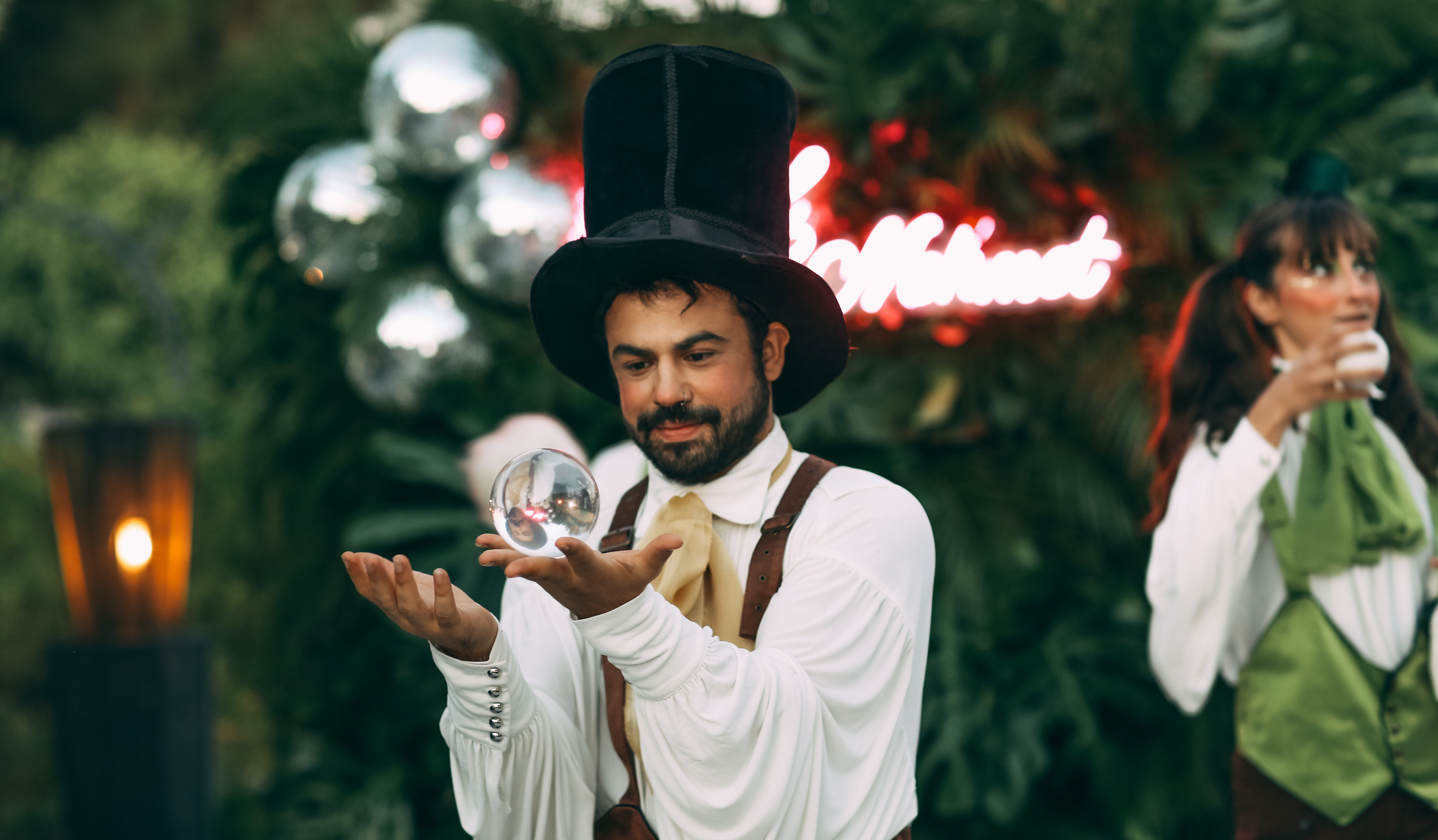
A close-up magician performs a 2 to 5 minute sequence.
A roaming musician plays a short set while moving between tables.
A character performs a quick bit, photo moment, and playful exchange.
This design matters because it prevents bottlenecks. Guests get a moment, then the performer moves on before a crowd forms.
Zones, routes, and coverage
Roving is most effective when the venue is treated as zones:
Entry and queue
Foyer and registration
Bar and cocktail area
Dining tables
Sponsor booths and expo aisles
Outdoor terrace or spill zones
A coordinator assigns routes so no section stays flat. This is the “mini parade” effect: movement creates visual signals that something is happening, which attracts attention and lifts the room.
Where it fits in a run sheet
Roving acts create the most value in moments that are hard to program with stage entertainment:
Guest arrival and first drink
Cocktail hour and mingling
Room flips and format transitions
Post-dinner lull before dancing or keynote
Trade show traffic gaps between sessions
Festival roaming between programmed stage blocks
Roving works because it supports the event’s timing instead of competing with it.
Roving vs Stage vs Ambient Entertainment
Roving entertainment is the best option when you need coverage, flexibility, and interaction across multiple spaces. Stage acts work well when you want a shared, synchronised audience moment, while formats such as a DJ and live band suit events where music becomes a central part of the guest experience. Ambient entertainment supports atmosphere but does not reliably change guest behavior.
| Format | What guests do | Best for | Limits |
|---|---|---|---|
| Roving | Participate in short moments across zones | Networking, arrivals, transitions, activations | Needs routing and crowd management |
| Stage | Stop and watch one focal performance | Key moments, awards, main show blocks | Creates downtime elsewhere |
| Ambient | Listen and absorb atmosphere | Dining, lounges, premium mood | Low interaction and lower memorability |
Tip: If your goal is venue-wide energy and guest interaction, roving formats usually perform best.
Benefits of Roving Entertainment

Roving entertainment increases engagement by placing performance inside the guest experience rather than outside it. It boosts venue-wide energy because it moves to where attention is needed. It creates shareable moments because guests encounter performance at close range, which triggers photos, video, and conversation.
Benefits mapped to event goals
Networking and icebreaking
Breaks social friction by giving guests a shared topic in the moment.
Helps shy guests participate through low-pressure, small-group interaction.
Energy management across the whole venue
Prevents “dead zones” by rotating attention to quieter areas.
Reduces bottlenecks because entertainment is distributed, not centralised.
Brand recall and content creation
Creates photo-first moments through costumes, characters, and spectacle.
Supports activations by drawing traffic to booths or focal areas.
Run sheet resilience
Fills gaps without needing a reset, seating, or staging change.
Continues while service runs, speeches prep, or rooms transition.
When roving entertainment is not the best fit
Roving entertainment is a poor choice when:
The venue is extremely tight and movement will block service routes.
Noise restrictions prevent interactive performance.
The event requires a single shared moment of attention for messaging.
Safety constraints make key acts infeasible, such as fire in restricted indoor venues.
In those cases, a staged show or a tightly controlled ambient format performs better.
Types of Roving Entertainment (Grouped by Purpose)
Roving entertainment is not one category. It is a delivery method, with different interactive entertainment ideas suited to different audiences, venues, and event goals. The right act depends on your objective, venue constraints, and audience expectations.
1) Welcome and meet-and-greet acts
Examples: costumed hosts, themed characters, living statues, strolling musicians at entry
Best for: arrivals, registration, red carpet, first impressions
Operational notes: requires clear entry routing, photo points, and a quick interaction script
2) Icebreakers for networking
Examples: close-up magicians, improv walkaround, caricature artists, table-side mentalists
Best for: cocktail hour, corporate receptions, sponsor lounges
Operational notes: prioritise consent-based participation and micro-sets that end cleanly
3) High-visual spectacle acts
Examples: stilt walkers, circus roamers, LED performers, drum rovers, roaming dancers
Best for: festivals, large foyers, outdoor spaces, big brand moments
Operational notes: ceiling height, floor surface, and crowd density determine safety and movement speed
4) Elegant ambience with interaction
Examples: roaming violinist, jazz duo that circulates, classical trio moving between rooms
Best for: premium dining, galas, weddings, luxury brand events
Operational notes: requires sound balance, pacing, and coordination with speeches
5) Family-friendly roaming
Examples: balloon artists, bubble artists, puppet performers, comedy characters
Best for: community events, shopping centers, daytime festivals
Operational notes: needs child-safe materials, queue control, and clear boundaries for interaction
6) Brand activation and trade show pull-through
Examples: brand characters, roaming MCs, interactive performers with scripted prompts, product-themed walkabouts
Best for: exhibitions, product launches, retail activations
Operational notes: requires brand briefing, talking points, lead flow plan, and clear handoff to staff
7) Specialty formats that blend service and performance
Examples: living tables, walking trays, themed service characters
Best for: canapés, welcome drinks, premium hospitality zones
Operational notes: must align with RSA-style service requirements where applicable and venue food safety rules
8) High-risk or high-control acts
Examples: fire performers, pyro-style props, large-scale apparatus roamers
Best for: outdoor evening segments with controlled perimeters
Operational notes: venue approval, safety perimeter, fire controls, insurance, and a dedicated risk plan are mandatory
Grouping acts this way makes selection faster and prevents mismatch between theme and logistics.
How to Choose the Right Roving Acts
The right roving entertainment choice comes from aligning event goal, audience profile, venue constraints, and tone. Start with the outcome you want, then select the performance category that produces that outcome reliably.
Step 1: Define the primary objective
Pick one dominant objective:
Increase networking interaction
Create high-impact visual moments
Maintain energy across multiple zones
Deliver elegant atmosphere with live touch
Drive traffic and dwell time for an activation
Step 2: Match the audience and environment
The entertainment format should also reflect how the event develops throughout the day. For corporate functions that move from networking into a more social evening, a live band can create a natural transition into dancing and celebration.
Corporate networking: close-up magic, subtle improv, roaming musicians
Weddings: roaming strings, caricature keepsakes, elegant characters
Festivals: stilt walkers, LED acts, circus roamers, roaming percussion
Trade shows: branded walkabouts that steer foot traffic toward a booth
Step 3: Check feasibility constraints early
Ceiling height and overhead fixtures for stilt walkers and tall costuming
Floor surface and gradients for roaming apparatus and skates
Lighting conditions for LED and projection-based acts
Sound restrictions for roaming bands and percussion
Fire bans and venue policies for flame-based performance
Step 4: Decide how “interactive” you want it to be
Not every event wants full guest participation. You can choose:
Photo-first interaction
Light conversation and playful prompts
Full participation with volunteered guests
This avoids awkward moments and protects brand tone.
Planning and Logistics Checklist
Roving entertainment succeeds when it is treated like event operations, not like a last-minute add-on. The core planning tools are a zone map, a rotation schedule, and a clear brief.
Performer-to-guest ratios that work in practice
Use ratios based on interaction intensity:
Close-up interaction (magic, caricature, table-side): 1 performer per 50 to 100 guests for strong coverage
High-visual roaming (stilts, LED, characters): 1 performer per zone, because visibility carries further
Trade show activations: 1 to 2 roamers per key aisle plus a staffed destination point for conversion
If your event has multiple rooms, plan by zones, not by total headcount.
Venue and routing requirements
Confirm service corridors and keep roaming paths off catering routes.
Assign “reset points” for props, water, and costume maintenance.
Identify choke points and design movement to reduce crowd clustering.
Safety and compliance essentials
Confirm public liability insurance and performer risk documentation.
For fire, require venue approval, controlled perimeter, extinguishing equipment, and a designated safety spotter.
For stilts and apparatus, confirm floor condition, traction, and overhead clearance.
Build an accessibility-aware plan so roaming does not block mobility paths.
Briefing checklist for performers
A short brief improves quality immediately:
Event objective and tone
Brand and dress code requirements
Routes, zones, and timing blocks
Words and topics to avoid
Photo expectations and guest consent approach
Escalation contact for issues on the floor
A 10-minute briefing prevents hours of friction.
Cost and Budgeting: What Drives Pricing
Roving entertainment pricing is determined by labor, skill, duration, complexity, and production requirements. The same act changes cost materially when costuming, technical setup, approvals, and travel change.
Common cost drivers
Number of performers and total contracted hours
Skill level and specialty risk, such as fire, aerial, or technical illusion
Costume build, theming, makeup, and character design
Technical components: LED gear, sound systems, props, batteries, backups
Venue approvals, safety personnel, and risk documentation
Travel, parking, load-in, and rehearsal requirements
How packages are typically structured
A defined roaming window, often split into timed blocks
A set number of performers assigned to zones
Optional add-ons: custom costumes, brand scripting, extra roaming areas, premium props
Quote checklist to keep comparisons fair
Ask each provider to specify:
Performer count and total roaming time
Rotation approach and zone coverage plan
Inclusions: costumes, props, sound, lighting needs
Safety requirements and venue approvals needed
Staffing requirements from your side, such as escorts or spotters
Travel and load-in constraints
This protects your budget and avoids last-minute operational surprises.
FAQs
Do roving performers need a dedicated “base” or backstage area?
Yes. Even fully mobile acts work better with a small base area for water, quick prop resets, battery swaps, costume adjustments, and short breaks. A base reduces downtime and keeps performers circulating smoothly.
Can roving entertainment work during a seated dinner?
Yes. Roving entertainment can run during a seated dinner if it is quiet, table-friendly, and timed between courses. Close-up magic, caricature, and strolling strings work well when performers keep interactions short and avoid blocking service lanes.
Should roving performers interact during speeches or formal program moments?
No. Roving entertainment should pause or relocate during speeches, awards, and key announcements so attention stays on the program. A clean rule is “no roaming in the room” during formal audio moments unless the act is part of the program.
How do you prevent crowding around roving acts?
Crowding is prevented through short micro-sets, consistent movement, and a zone rotation plan. High-visibility acts also need clear pathways and a pace rule so guests watch briefly, take a photo, and then the performer moves on.
Do roving entertainers need microphones or amplified sound?
Usually not. Most roving formats rely on close-range interaction and should stay unamplified to avoid competing with venue audio. If amplification is needed, it should be lightweight and controlled so it does not overpower speeches, music, or conversations.
What venue restrictions commonly affect roving entertainment?
Common restrictions include ceiling height, floor surface, noise limits, crowd density rules, venue policies on flames or props, and required access paths for staff. These restrictions determine which acts are feasible and where they can safely move.
How do you coordinate roving entertainment with photographers and videographers?
Coordination works best when you define “capture moments” on the run sheet. Assign specific time windows and zones where roving acts will concentrate so photographers can anticipate interaction moments without chasing performers across the venue.
What are red flags when booking roving entertainment?
Red flags include vague coverage plans, unclear timing blocks, no discussion of venue constraints, no safety process for higher-risk acts, and no clear plan for crowd management. A professional provider explains routing, rotation, and requirements upfront.
Can you combine roving entertainment with a stage show?
Yes. A strong format is roving during arrivals and transitions, then a stage moment for a shared highlight. This gives you venue-wide energy plus one focal “peak moment” without leaving dead zones.
How far in advance should you book roving entertainment?
Book early for peak dates, large events, and highly specialised acts. Short-lead bookings are possible, but options narrow as you approach the event date, especially if you need themed costuming or multiple performers.
Entertainment That Moves and Engages

Roving entertainment is one of the most flexible ways to add live performance across an event without forcing guests into a single viewing moment. It works best when movement is planned, interactions are built as short loops, and performers are scheduled to support arrivals, mingling, and transitions.
If you are building a roving program, start with three decisions: your event objective, the venue zones that need energy, and the interaction level your audience will enjoy. From there, choose acts that fit your constraints and create a rotation plan that keeps the room consistently alive.
We at Mivida Events and Entertainment can map roving zones, recommend act categories for your run sheet, and design a program that fits your venue and audience across Brisbane, Melbourne, Sydney, Adelaide, Gold Coast, Sunshine Coast, and surrounding regions. Get in touch with us today to plan your roving entertainment.